by WPorre | May 26, 2016 | The Back dunes
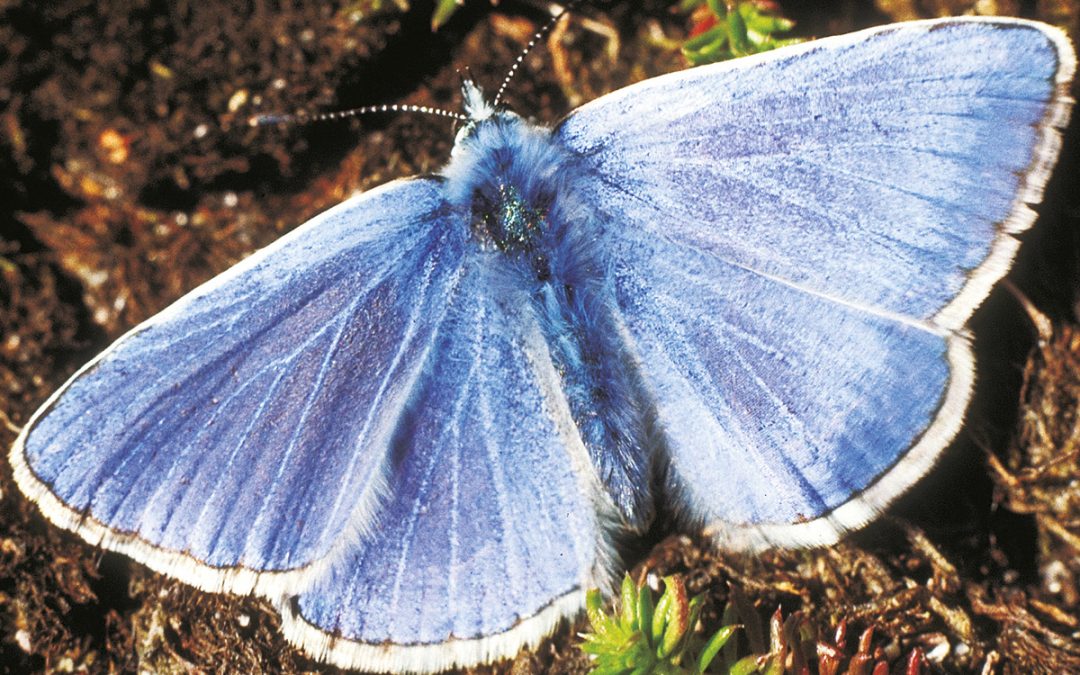
The Back dunes Blue butterfliesAt the end of June, small blues are common in the back dune areas. The males are a brilliant blue colour, while the females are charcoal grey. The undersides of their wings are also brightly coloured with spots and patterns of grey,...
by WPorre | May 26, 2016 | The Back dunes
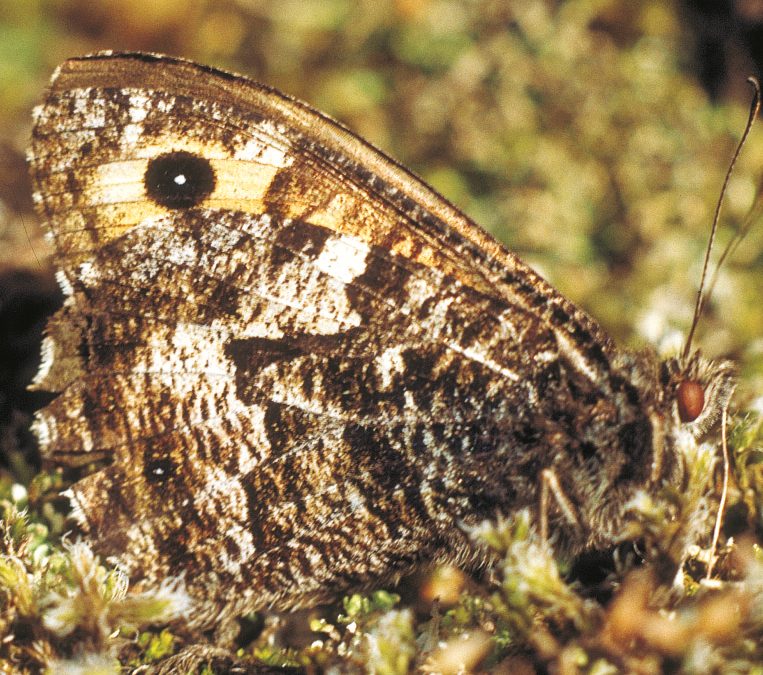
The Back dunes The graylingThe grayling is common in July and August. It will suddenly fly up from the ground, and then just as suddenly drop back down again a little further on. The grayling is wonderfully camouflaged on the...
by WPorre | May 26, 2016 | The Back dunes
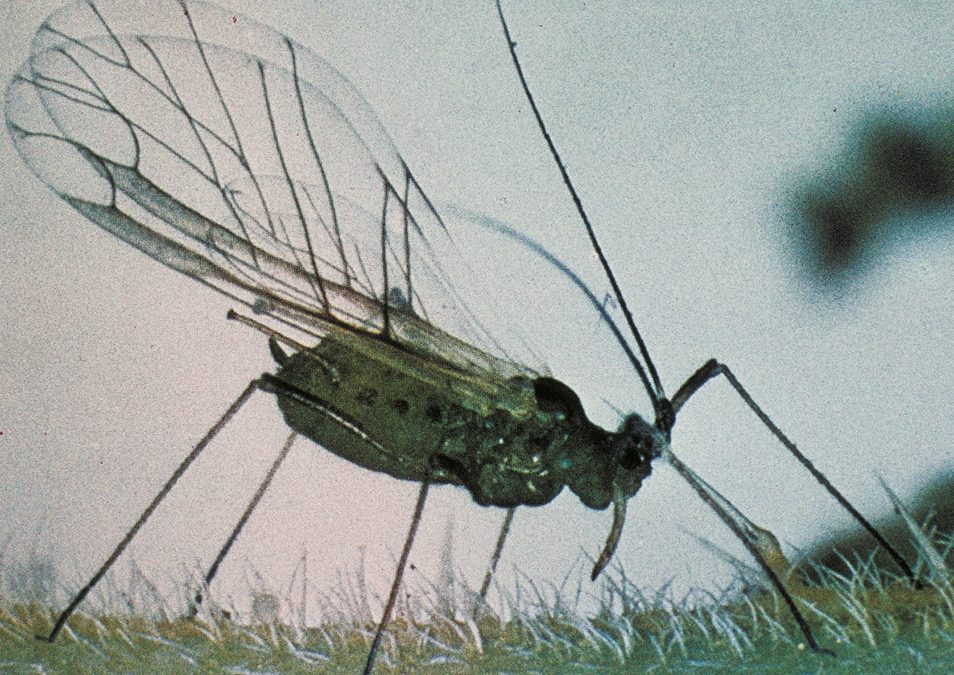
The Back dunes AphidsWherever there is vegetation you will find aphids. Since they breed asexually, they have no problems in forming large colonies. They have sharp mouth parts that they use to puncture soft leaves or stems and suck the sugary...
by WPorre | May 26, 2016 | The Back dunes
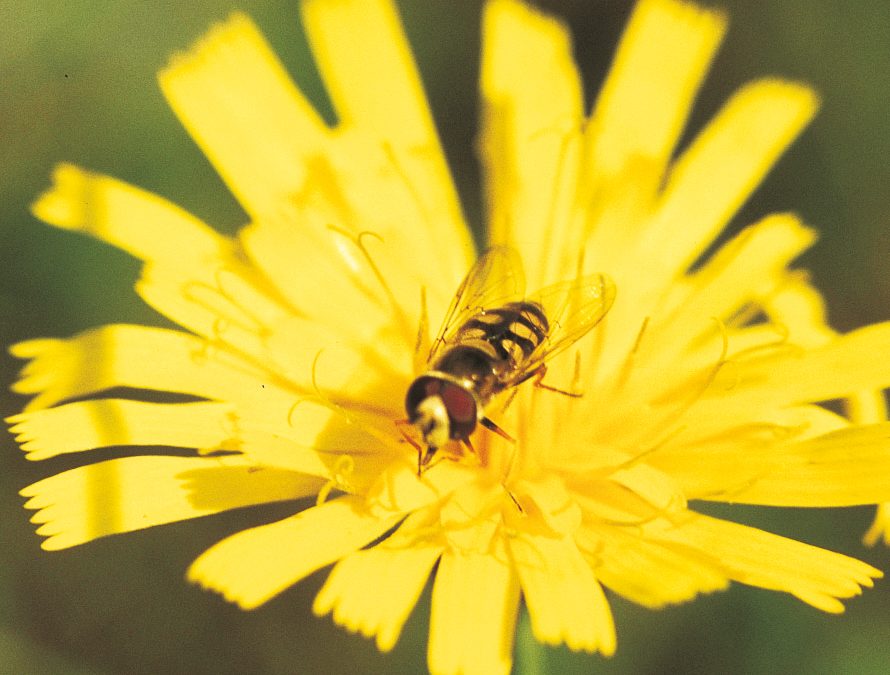
The Back dunes HoverfliesHoverflies can easily be confused with wasps, but none of them will sting or bite you. They are much quicker through the air than wasps, and you will often see them hovering above the flowers on fast, whirring wings. Hoverfly larvae feed on...
by WPorre | May 26, 2016 | The Back dunes
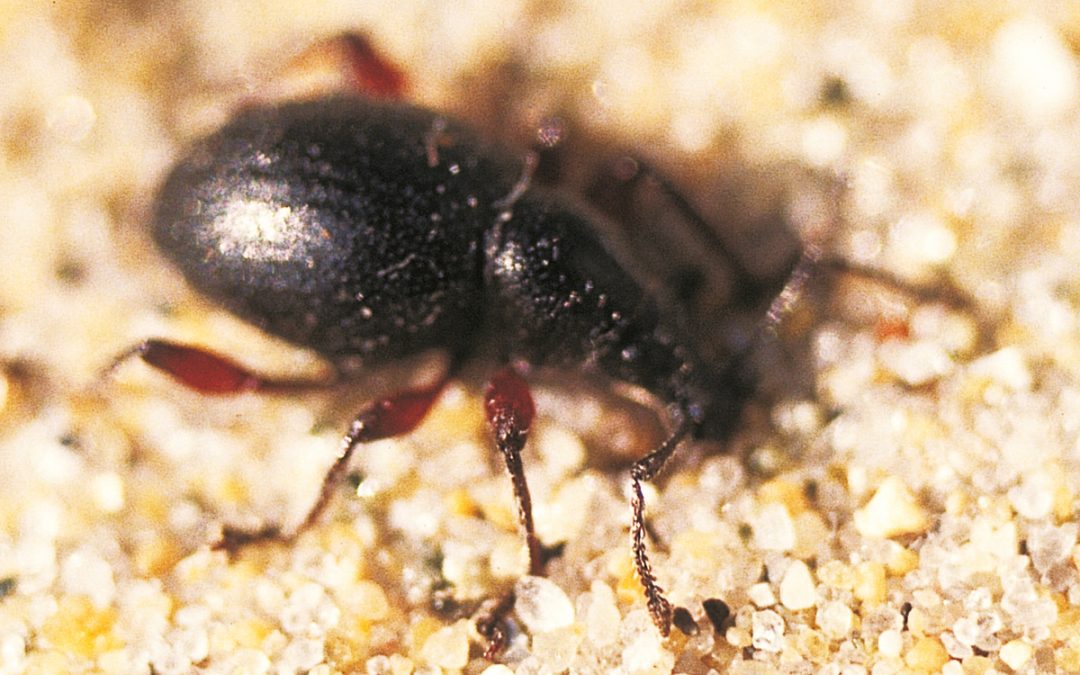
The Back dunes The sand dune weevilThe sand dune weevil has only been recorded from very few locations along the Norwegian coast. It has broad pads on its feet that enable it to walk on loose sand without sinking in. It has very short wings making it easier to...
by WPorre | May 26, 2016 | The Back dunes
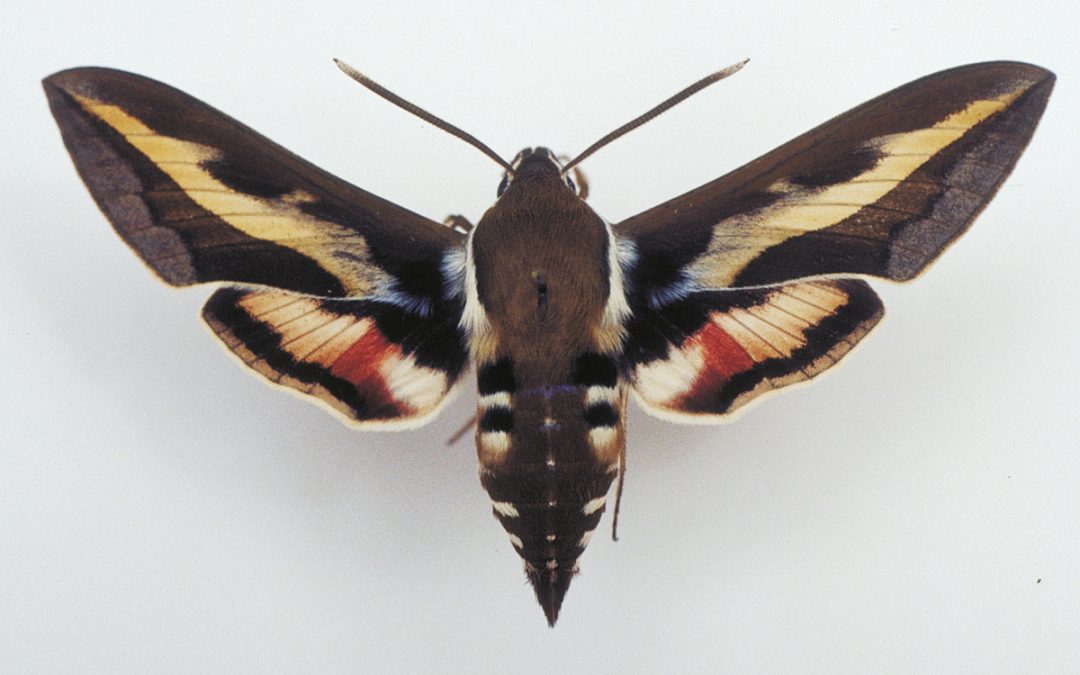
The Back dunes The bedstraw hawk mothThe bedstraw hawk moth is the ‘humming bird’ of the back dune areas. It is most active at night, but we can see it as the sun goes down – hovering on whirring wings and sucking nectar from the flowers. Its...

Recent Comments