by WPorre | May 26, 2016 | Sand dunes
SAND DUNES Cicadas Robber flies The sea holly The narrow-leaf hawkweed Second World War relics Vulnerable back dunes Sand movement Sand dunes moved by the wind If the sand escapes Coltsfoot Blue rye grass The sea pea « Older...
by WPorre | May 26, 2016 | Sand dunes
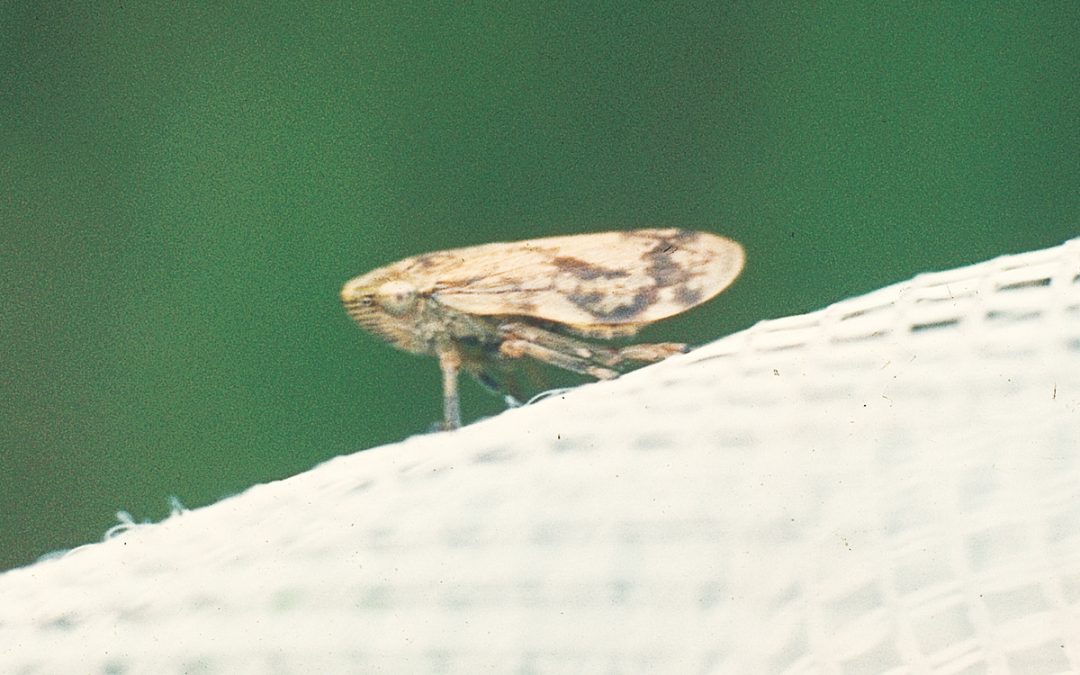
Sand dunes CicadasCicadas are small and lively insects! They’ll jump a long way if we disturb them as we walk through the dune vegetation. One group of them is called “spittlebugs” because their larvae live protected inside clumps of so-called...
by WPorre | May 26, 2016 | Sand dunes
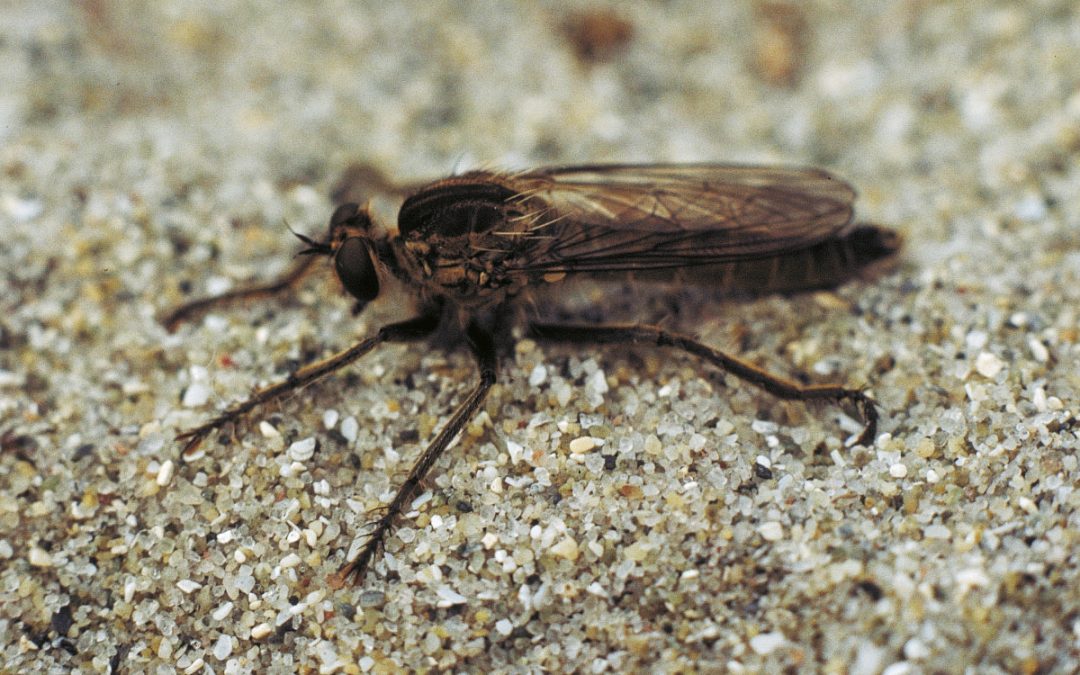
Sand dunes Robber fliesRobber flies are experts at catching smaller insects. The dune robber fly Philonicus albiceps is common in the Jæren sand dunes in June and July. It is light grey in colour and is well-camouflaged by the pale...
by WPorre | May 26, 2016 | Sand dunes
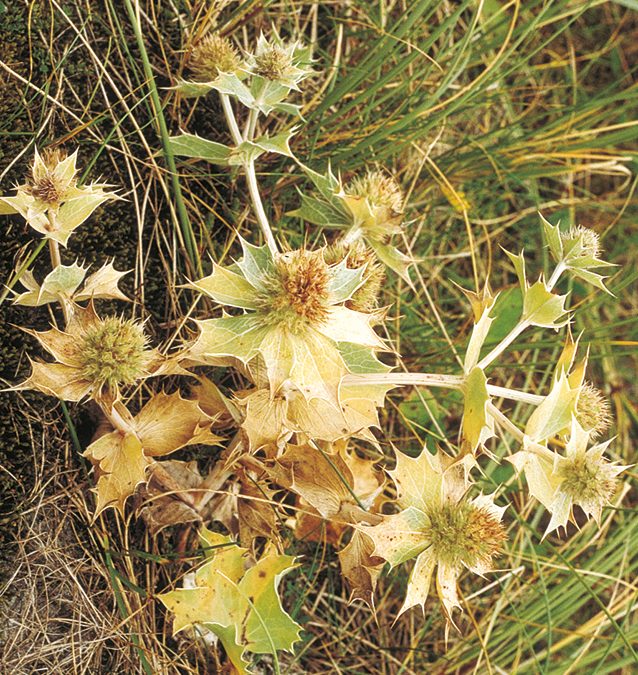
Sand dunes The sea hollySurely there can be no plant as exotic and prickly as the sea holly? This pale blue plant with its deeper blue flower heads blooms from July to August. It reminds us of a cactus run wild! The sea holly is rare in Norway, so if you’re...
by WPorre | May 26, 2016 | Sand dunes
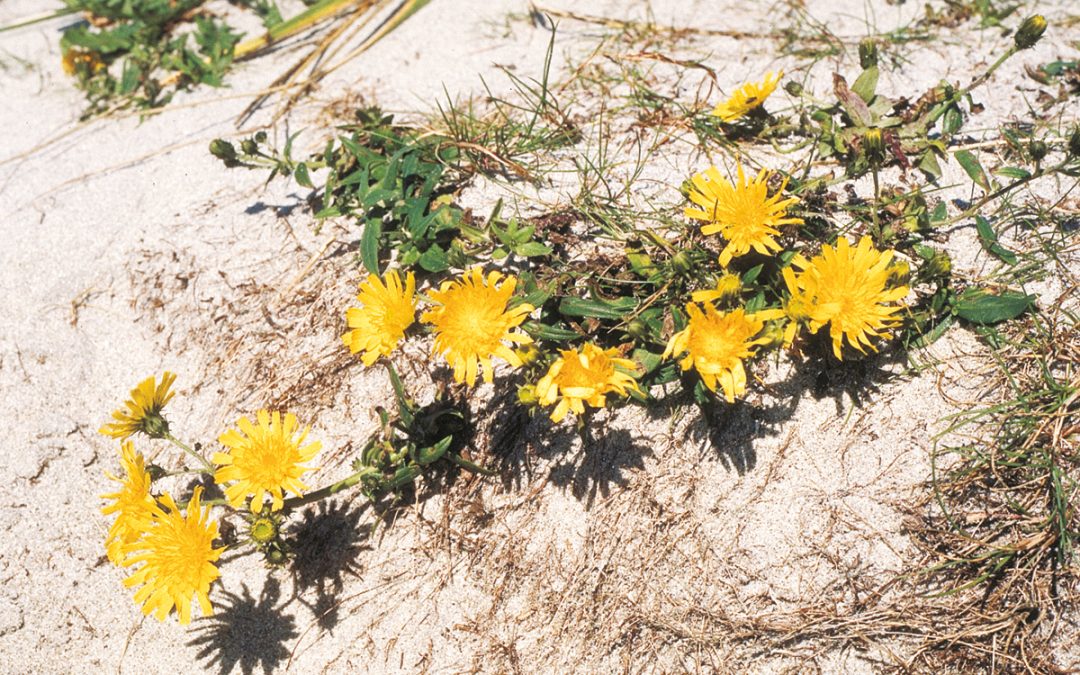
Sand dunes The narrow-leaf hawkweedThe narrow-leaf hawkweed has many small flowers sitting together in an umbel. It is generally shorter and grows closer to the ground than the field...
by WPorre | May 26, 2016 | Sand dunes
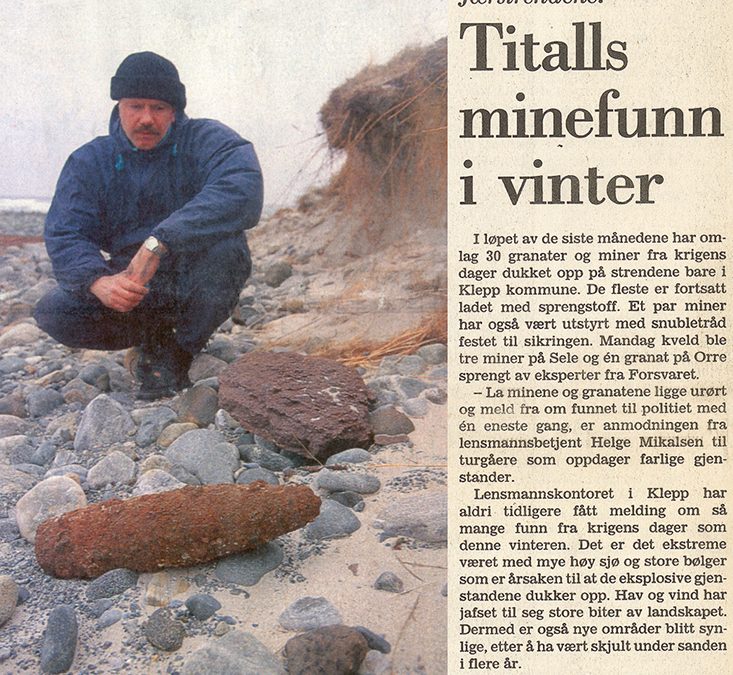
Sand dunes Second World War relicsIn January 1993 these Second World War relics emerged after having buried for almost 50 years beneath the sand. (Reproduced from the newspaper Stavanger...

Recent Comments