by WPorre | May 26, 2016 | The Sea
THE SEA The way the wind blows What is a wave? Kelp Oarweed The red alga dillisk The cod The pollock The saithe The haddock The garfish The mackerel The plaice « Older...
by WPorre | Feb 10, 2016 | The Sea
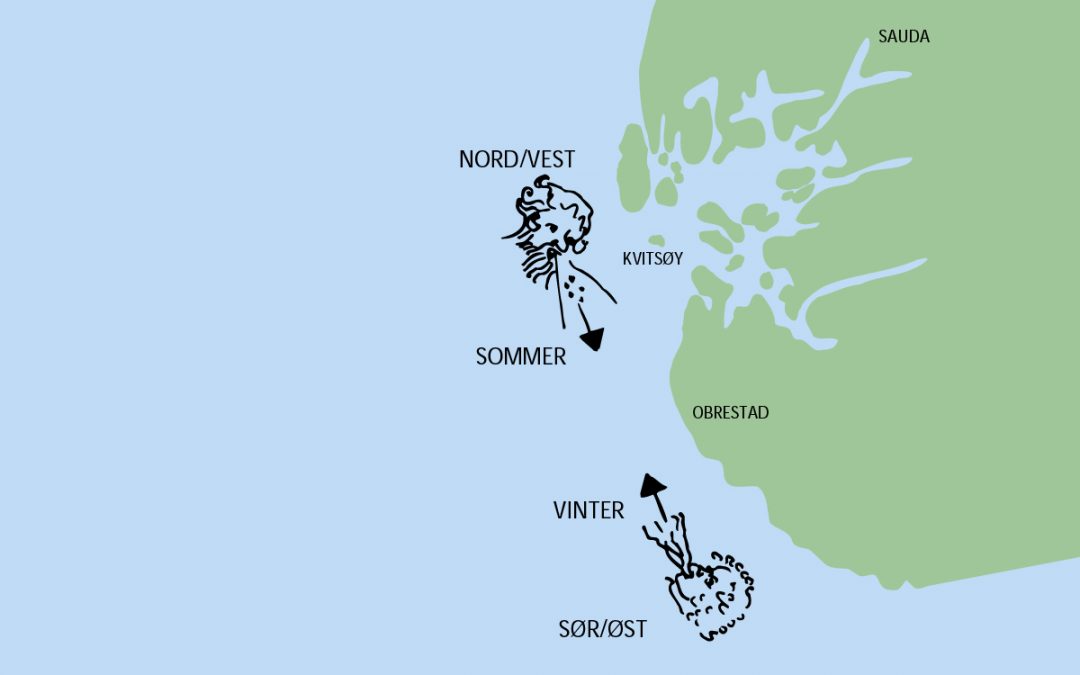
The Sea The Jæren coast is a windy placeThe wind blows in from two prevailing directions – in summer the chilly north-westerlies, and in winter the cold south-easterlies. So there isn’t much difference between summer and winter temperatures. It rains less along...
by WPorre | Feb 10, 2016 | The Sea
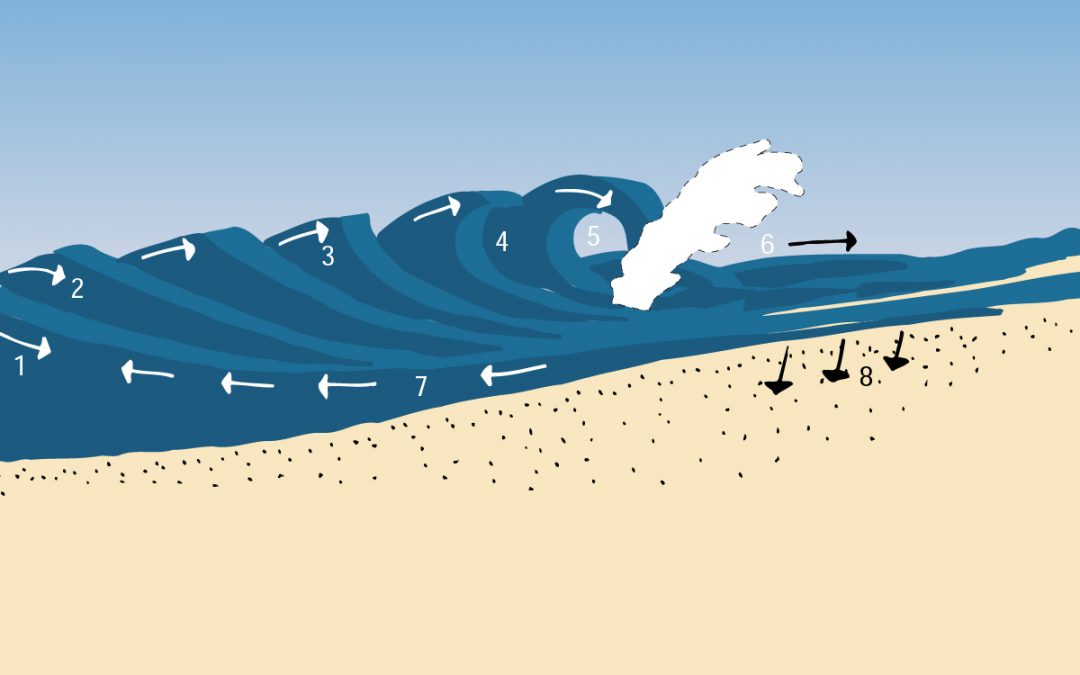
The Sea What is a wave?1 As a wave enters shallower water it encounters friction at the sea bed. The critical point is when the water depth is equal to half the distance between the wave crests, called the wave length. 2 The friction causes the wave length to...
by WPorre | Feb 10, 2016 | The Sea
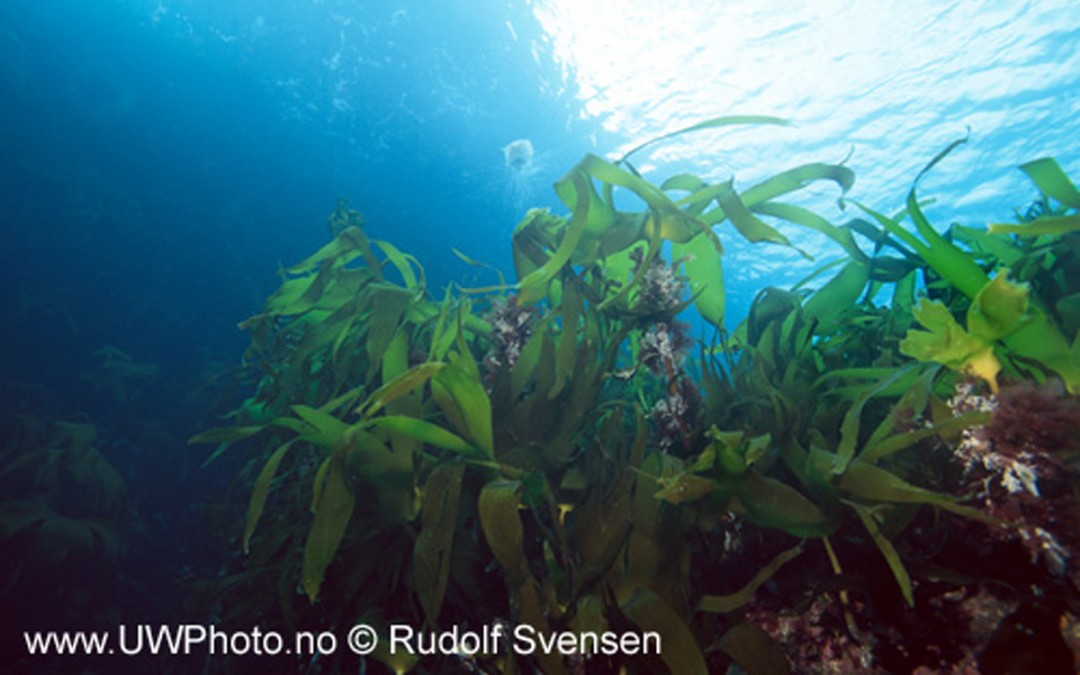
The Sea KelpKelp is the largest brown alga found in Norway, and its fronds can grow to between 4 and 5 metres in length. A coarse, woody stem holds the alga firmly to a stone. The fronds expand from the top of the stem. Water and nutrients are absorbed through the...
by WPorre | Feb 10, 2016 | The Sea
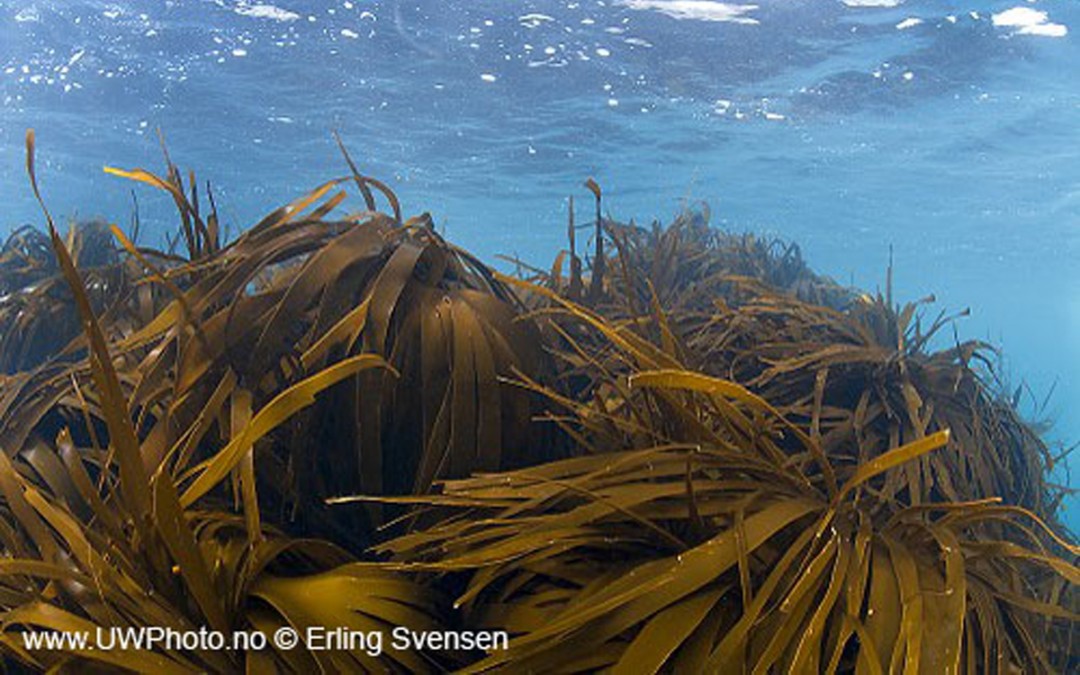
The Sea OarweedOarweed is a brown alga. It looks a little like kelp, but its stem is smooth and soft and easier to bend. Its fronds grow regularly spaced from the top of the...
by WPorre | Feb 10, 2016 | The Sea
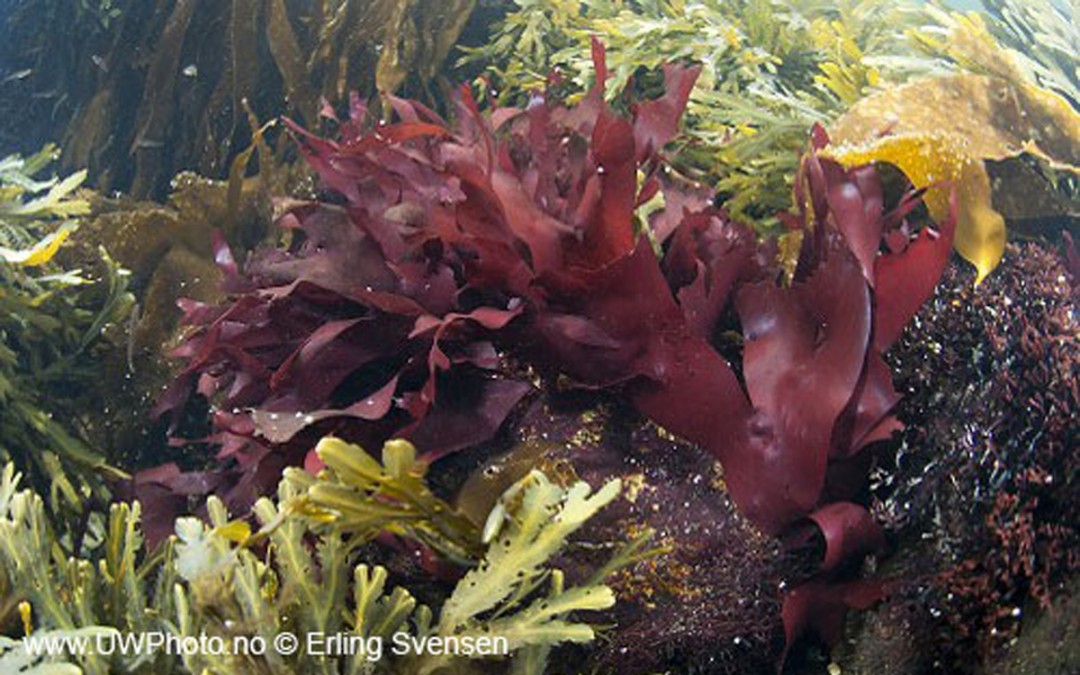
The Sea The red alga dilliskThe red alga dillisk can grow to between 5 and 10 centimetres in length. People have eaten dillisk from as far back as Viking times. It contains proteins, fats and vitamin A, and is very...

Recent Comments