by WPorre | May 26, 2016 | Rear dunes
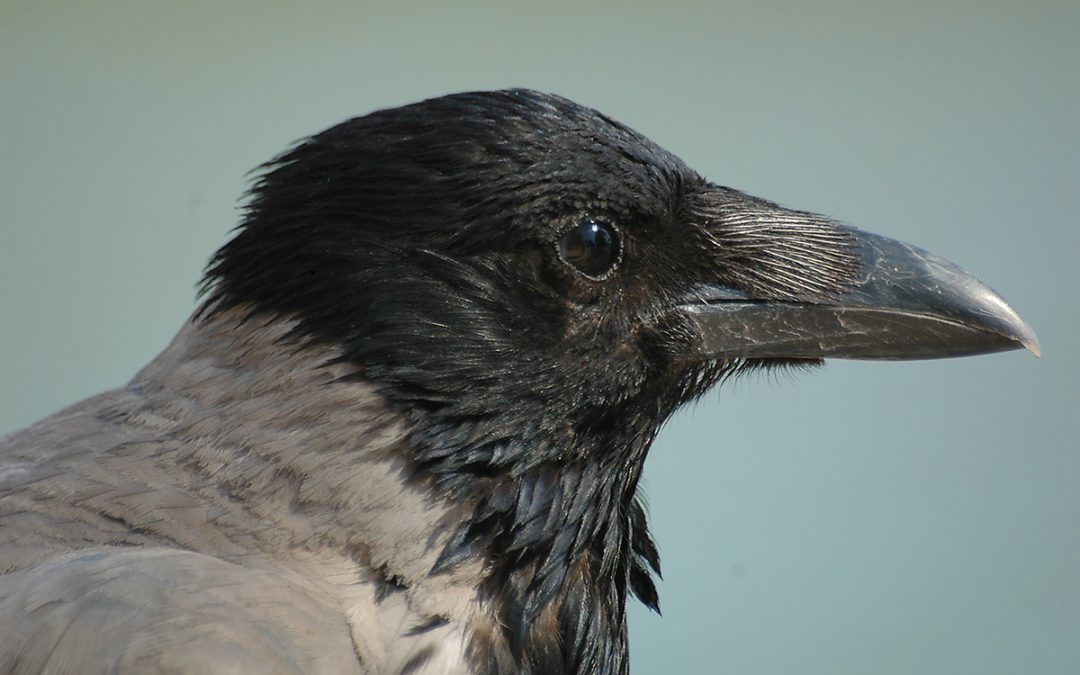
Rear dunes The hooded crowThe hooded crow will eat anything, and won’t hesitate to take a lapwing’s egg if it gets the chance. The planting and expansion of fir plantations in the Jæren area in recent years has provided crows with many new nesting sites....
by WPorre | May 26, 2016 | Rear dunes
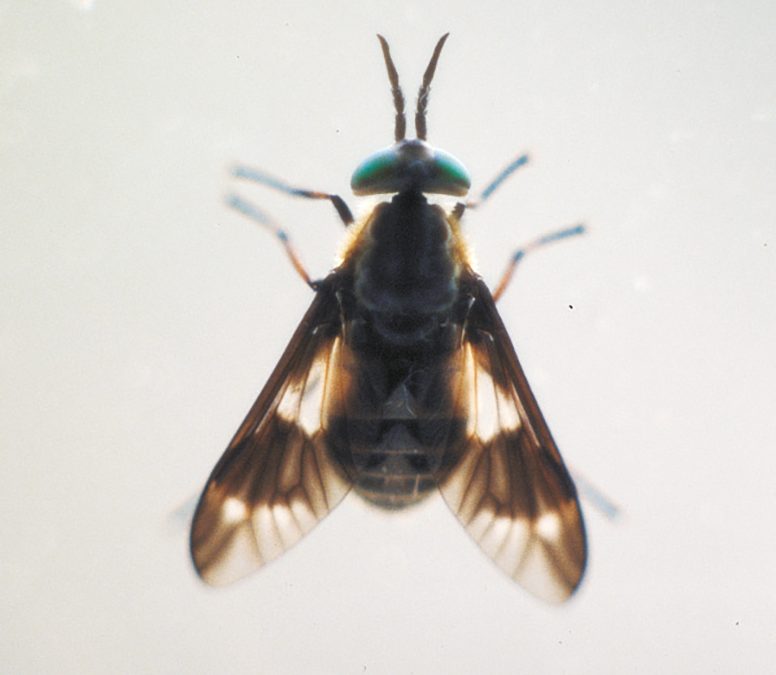
Rear dunes HorsefliesHorseflies are common in the rear dunes and can take the joy out of an afternoon’s...
by WPorre | May 26, 2016 | Rear dunes
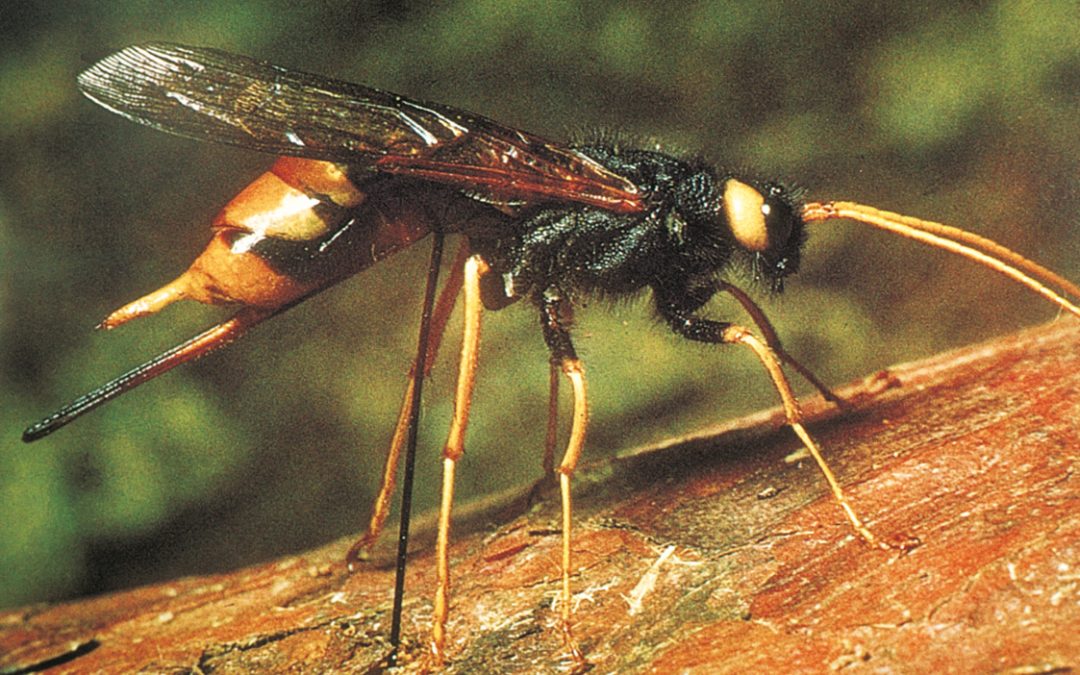
Rear dunes The giant wood waspThe giant wood wasp can be up to 4 centimetres long. It thrives in clearings in coniferous woodlands. Despite its size and sinister appearance it doesn’t sting or...
by WPorre | May 26, 2016 | Rear dunes
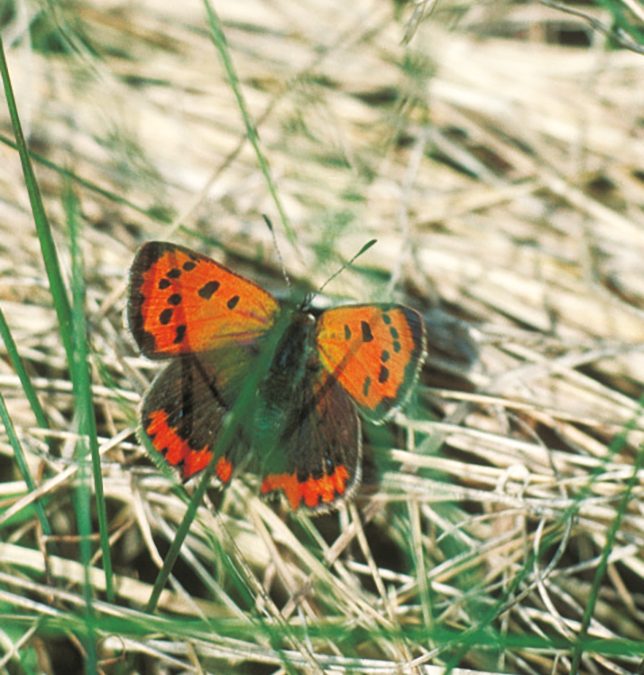
Rear dunes The small copperThe small copper is a colourful little butterfly. We see it most often in open woodlands in July and August, along roadsides and in wild flower meadows. Its caterpillars live on sorrels and...
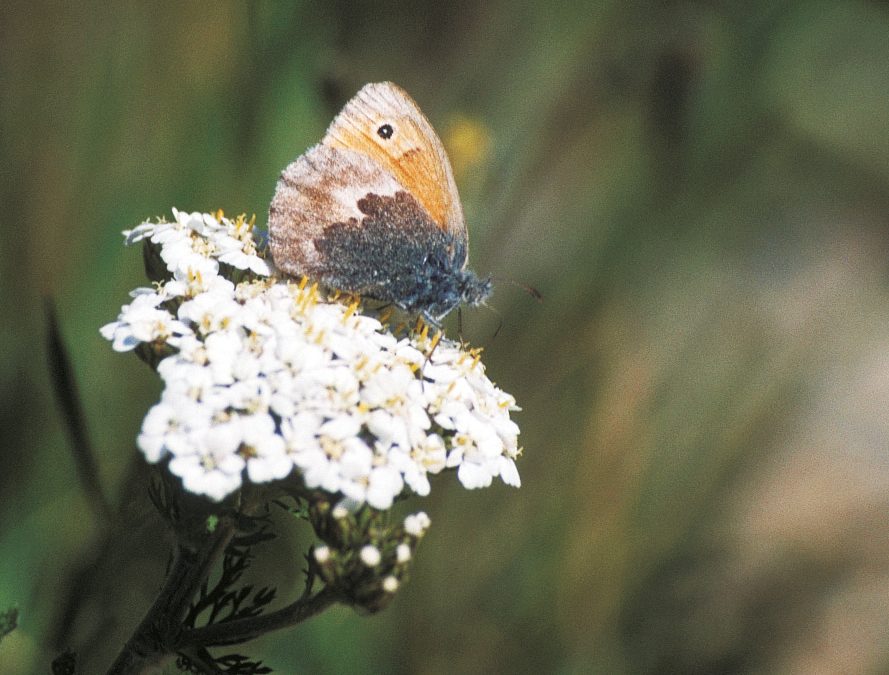
by WPorre | May 26, 2016 | Rear dunes
Rear dunes Pearly heath butterflyThe delicate pearly heath butterfly has a small eye pattern on its forewings. It is common on the rear dunes and in open...
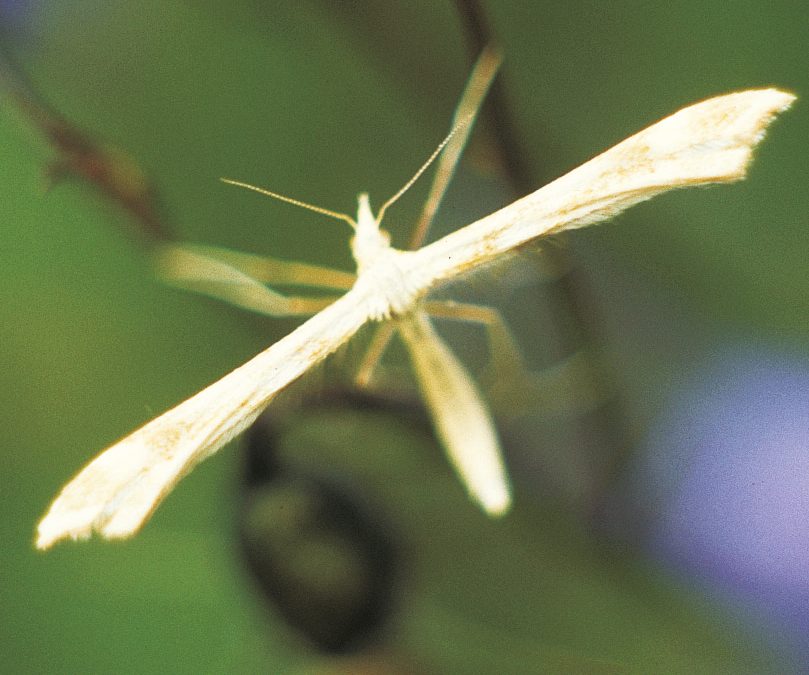
by WPorre | May 26, 2016 | Rear dunes
Rear dunes Feather-wing mothsAs their name suggests, the feather-wing moths have their wings divided into narrow “feathers”. They are common in meadows and open...

Recent Comments