by WPorre | May 26, 2016 | The Back dunes
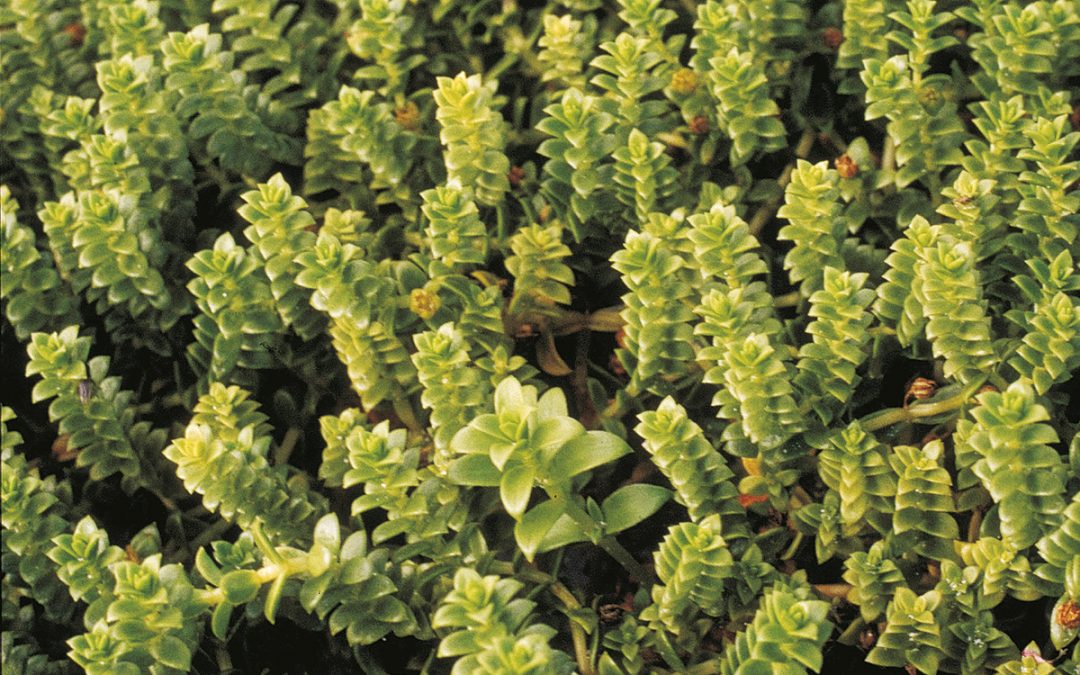
The Back dunes The sea sandwortThe sea sandwort is easily recognised by its succulent, yellow-green leaves, closely packed together along the stem. The leaf surfaces are shiny due to a layer of wax which helps the plant retain water and prevents it from drying...
by WPorre | May 26, 2016 | The Back dunes
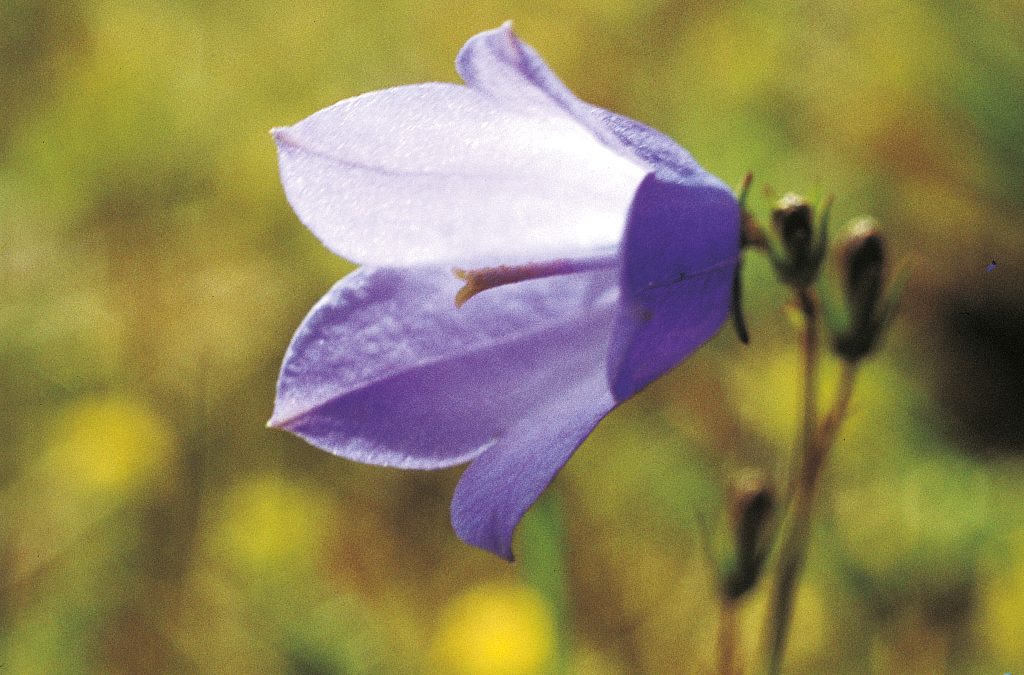
The Back dunes The bluebellThe bluebell has an extensive root system that gathers water from deep in the soil, and thin, thread-like leaves that reduce evaporation. These adaptations keep the plant lush and beautiful even in the driest...
by WPorre | May 26, 2016 | The Back dunes
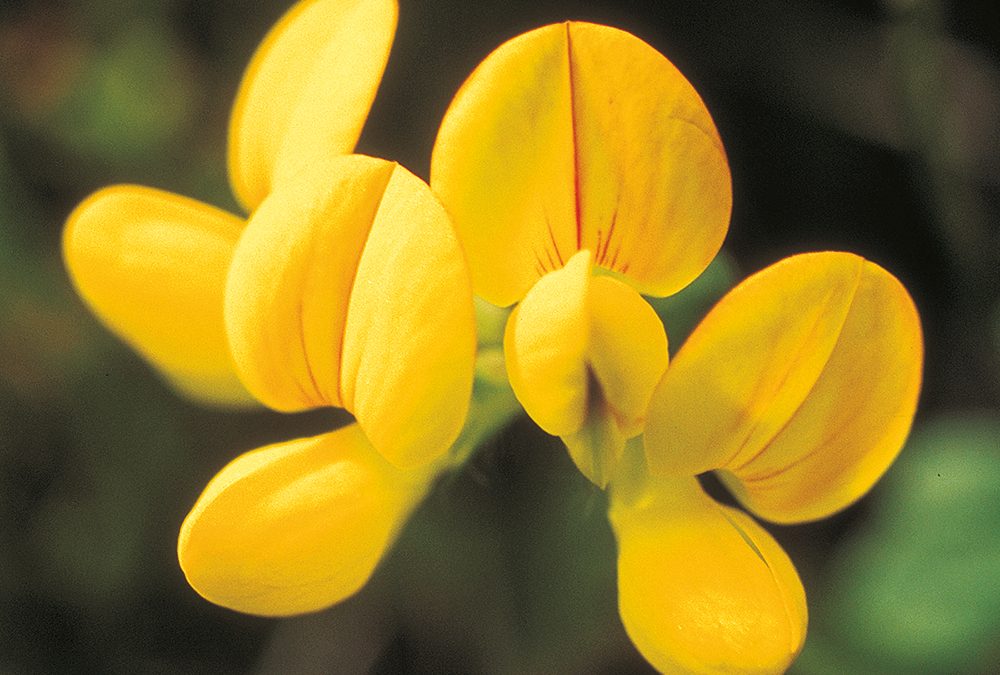
The Back dunes The bird’s foot trefoilThe bird’s foot trefoil, like many other plants, has small nodules on its roots containing bacteria. The bacteria take up nitrogen from the air enabling the plant to add nitrogen fertiliser to the soil. In this way...
by WPorre | May 26, 2016 | The Back dunes
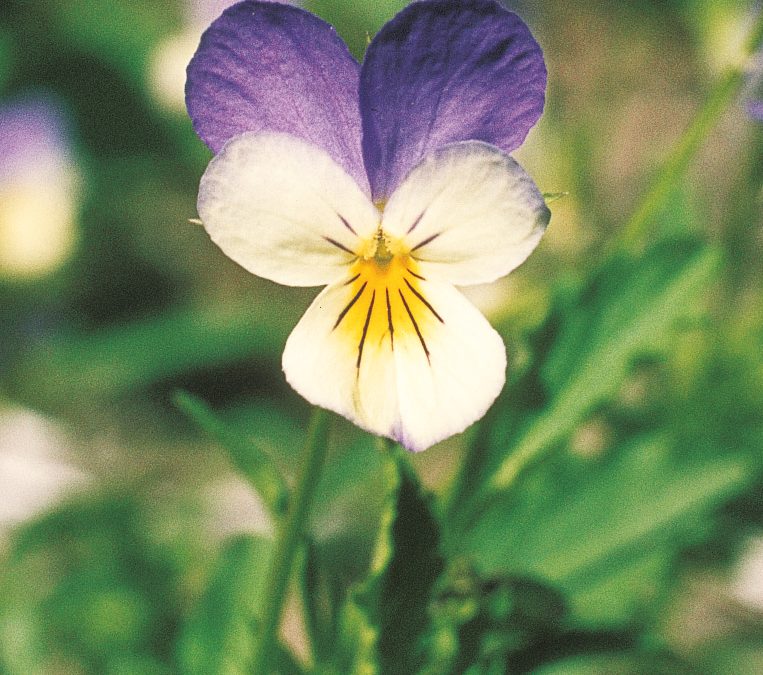
The Back dunes The heartseaseThe heartsease is the violet of the back...
by WPorre | May 26, 2016 | The Back dunes
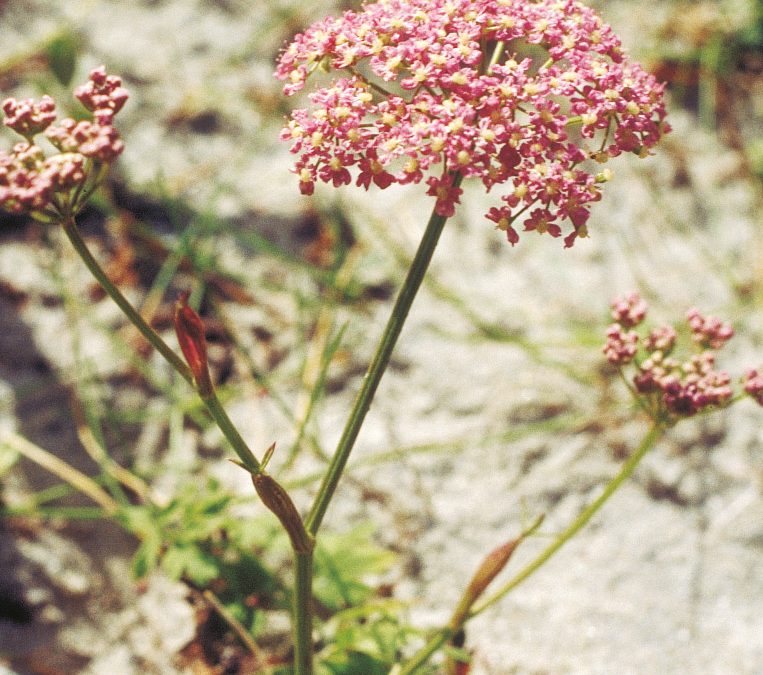
The Back dunes The burnet saxifrageThe burnet saxifrage is usually grows to about 30 centimetres high. But in the back dune areas, it is commonly only between 6 and 8 centimetres high. This reduced growth is probably an adaptation that protects it from the wind in the...

Recent Comments