by WPorre | May 26, 2016 | The Back dunes
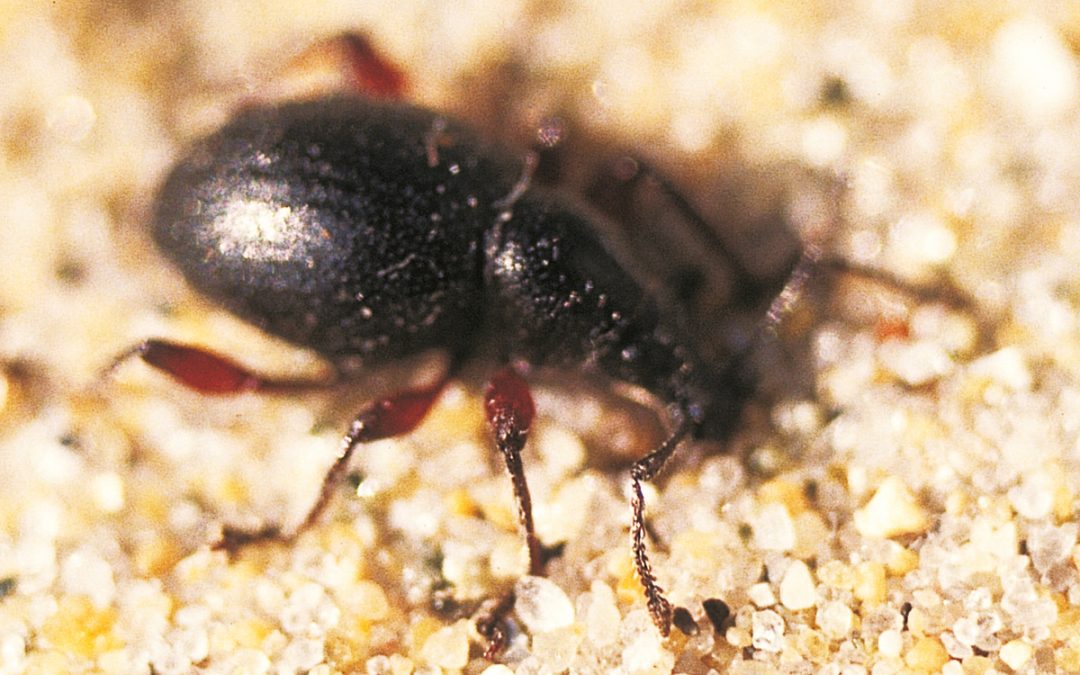
The Back dunes The sand dune weevilThe sand dune weevil has only been recorded from very few locations along the Norwegian coast. It has broad pads on its feet that enable it to walk on loose sand without sinking in. It has very short wings making it easier to...
by WPorre | May 26, 2016 | The Back dunes
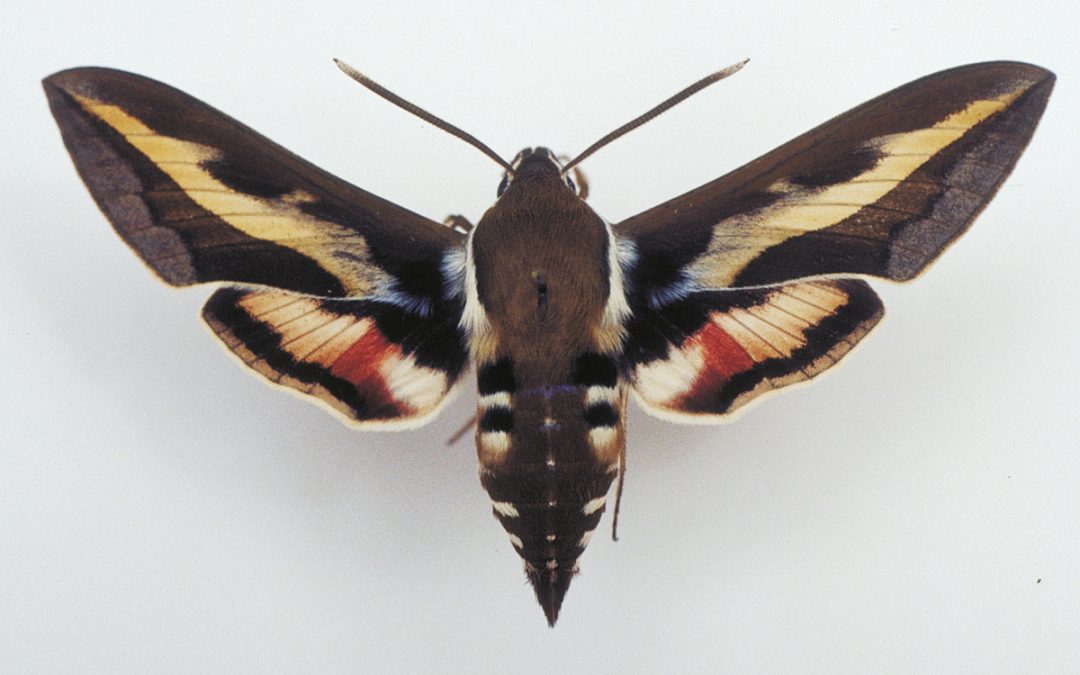
The Back dunes The bedstraw hawk mothThe bedstraw hawk moth is the ‘humming bird’ of the back dune areas. It is most active at night, but we can see it as the sun goes down – hovering on whirring wings and sucking nectar from the flowers. Its...
by WPorre | May 26, 2016 | The Back dunes
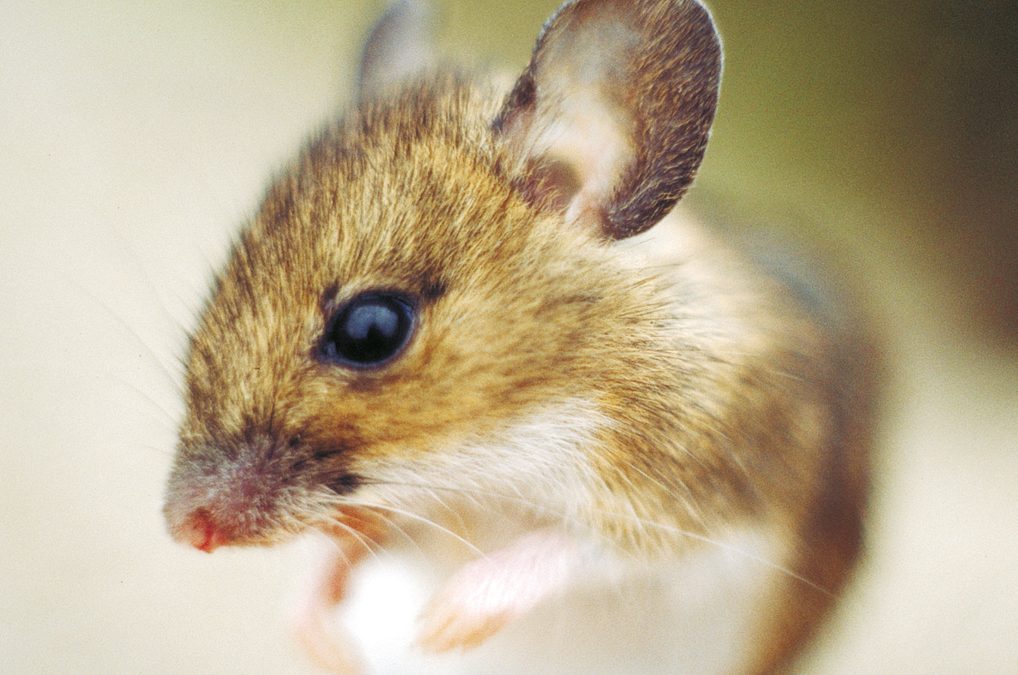
The Back dunes The wood mouseThe wood mouse is sweet and soft – and always very busy! It has big ears, a long tail, and a sharp contrast between its grey-brown back and white underside. It is the commonest mouse species found in the Orre-Reve...
by WPorre | May 26, 2016 | The Back dunes
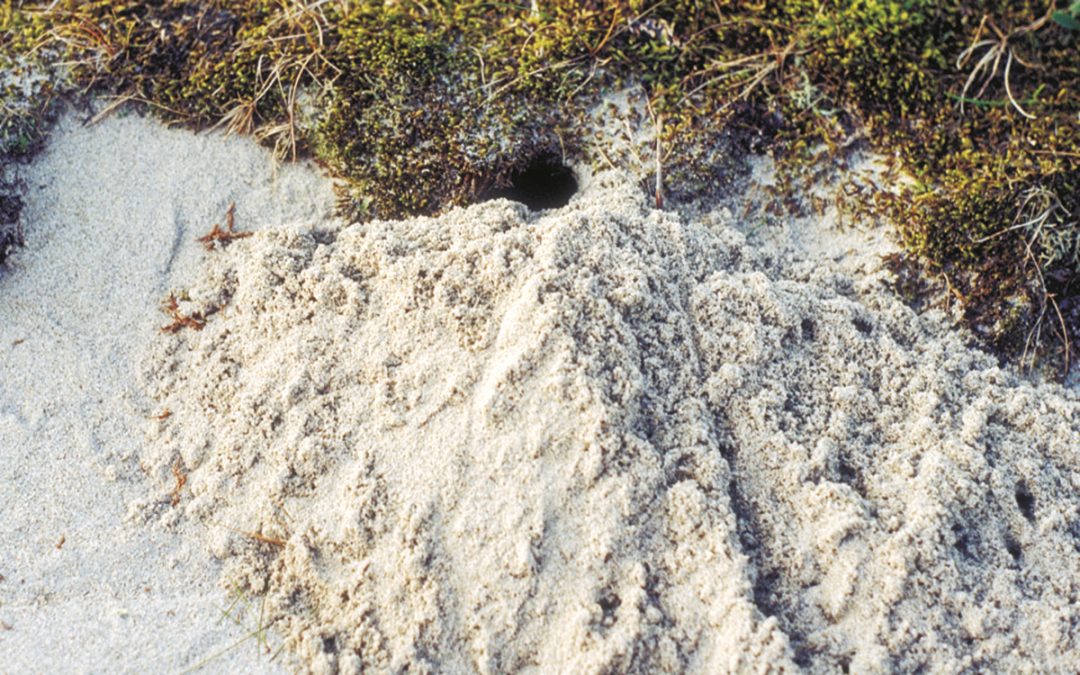
The Back dunes An active mouse holeMice are living here! Look at all the footprints and the big sand hill. These show that the mice have pushed away lots of loose sand from their burrow. Right now the mice are sleeping deep inside the...
by WPorre | May 26, 2016 | The Back dunes
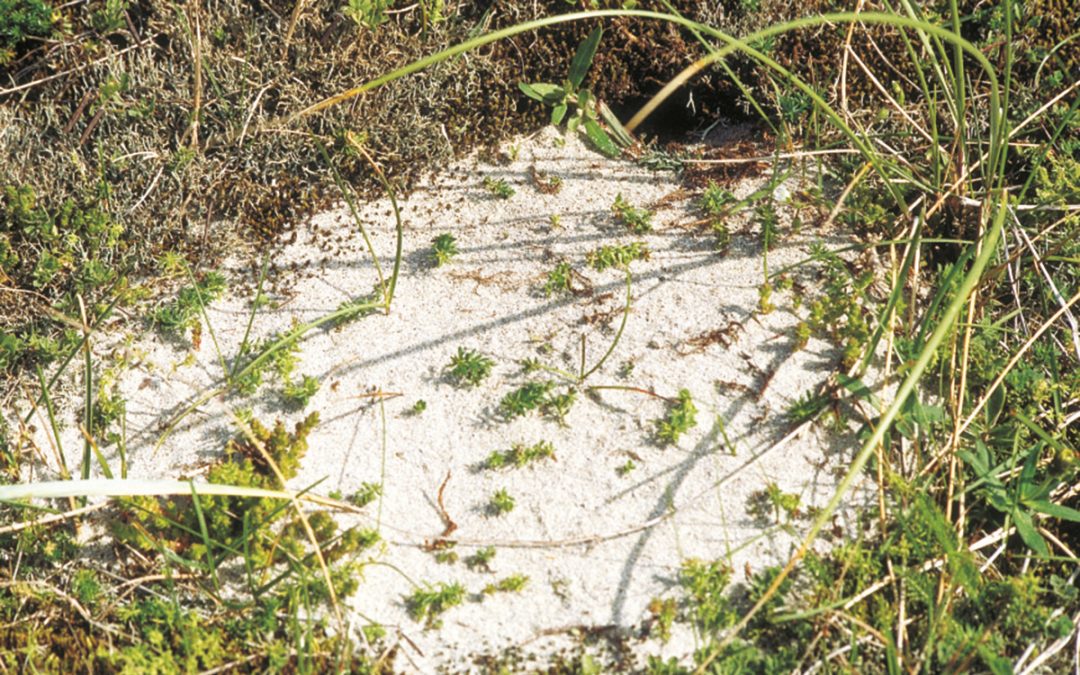
The Back dunes An abandoned mouse holeMany wood mice make burrows in the dunes. This photo shows dry, ‘dead’ sand and no footprints. A variety of plants have begun to sprout in and around the hole, so there can be no doubt that the mice have found...

Recent Comments